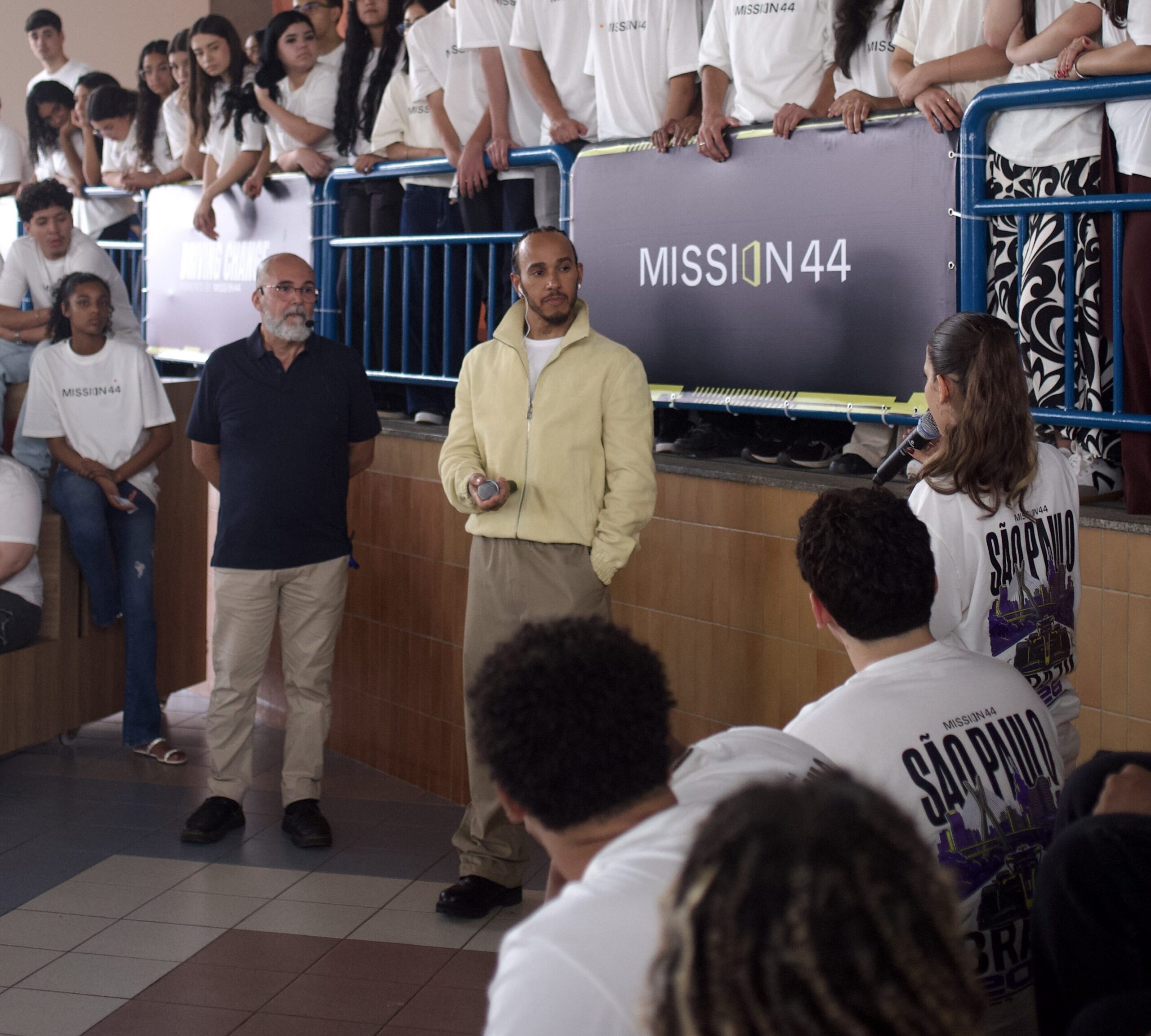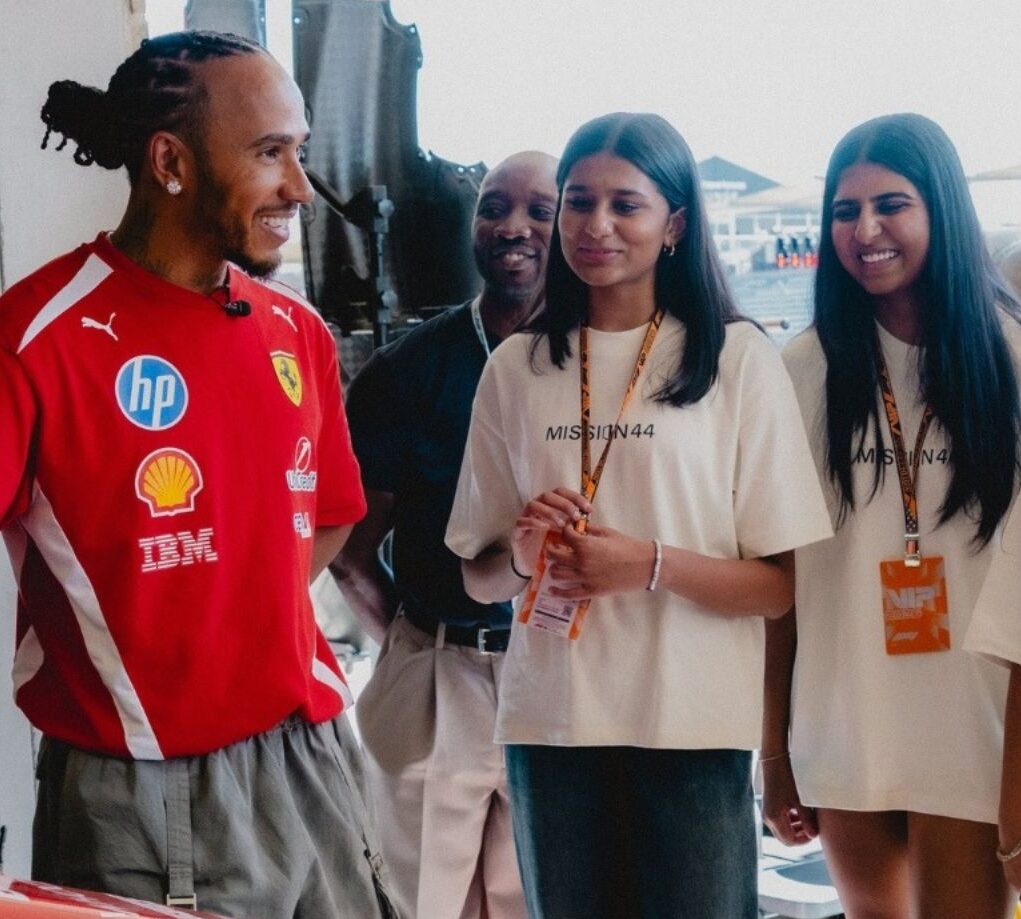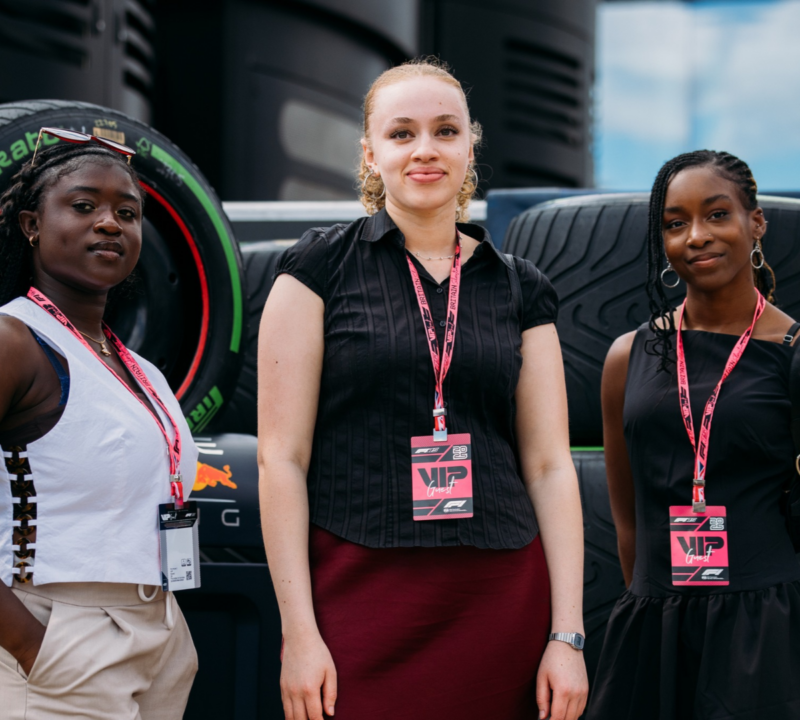

Seven-time Formula 1 World Champion Sir Lewis Hamilton’s foundation calls on Formula 1 to invest £50m in the next generation of engineers, as a new report finds that five years on from the Hamilton Commission the sport still cannot show who gets in and who gets ahead.
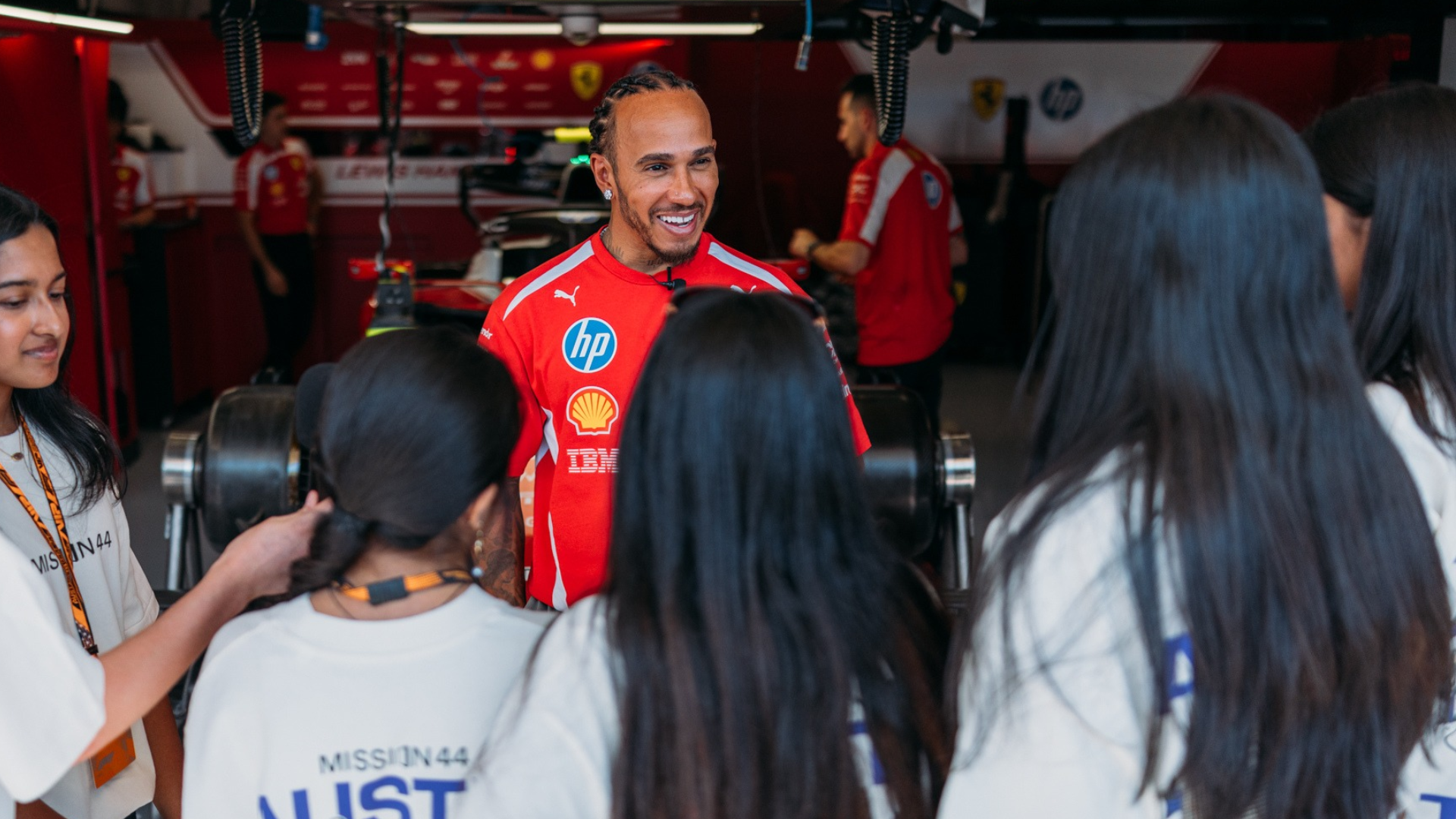
Formula 1 risks missing out on the next generation of engineering and technical talent unless it does more to create career opportunities in the sport, a new report from Sir Lewis Hamilton's foundation, Mission 44, warns today.
Published five years after the landmark Hamilton Commission, Igniting Inclusion calls on Formula 1 to invest at least £50 million of new money over five years to help young people from underrepresented backgrounds enter and progress in motorsport careers. It also calls for greater accountability across the sport to ensure that progress can be measured.
The report recognises significant steps forward since 2021. All 11 F1 teams, Formula 1 and the FIA have signed a Diversity and Inclusion Charter, new engineering scholarships have been created, F1 Academy has launched, and 500,000 young people worldwide have participated in activities designed to inspire them to explore opportunities in motorsport.
But the report finds the sport still cannot answer a basic question: are more Black people, women and young people from lower-income backgrounds building careers in motorsport than in 2021? Teams are collecting data, but there is no sport-wide standard, no shared dataset and no way to compare one year with the next.
Lewis Hamilton, founder of Mission 44, said: “Five years ago, I launched the Hamilton Commission because I knew Formula 1 had to change. Since then, we’ve worked tirelessly to break down barriers and open doors. From engineering scholarships and the Diversity and Inclusion Charter to inspiring over 500,000 young people, we’ve helped drive real progress. I’m proud of what we’ve achieved, but we’re nowhere near finished.
“Formula 1 is inspiring millions of young people around the world. But inspiration means nothing without opportunity. We can’t tell young people to dream big and then not open the doors when they try to make those dreams a reality.
“F1, the FIA and every team must push harder and move faster. We need real investment, more opportunities and greater accountability. We’ve shown that change is possible. Now we need to go further. The talent is out there, and the future of our sport depends on unlocking it.”

The findings come at a critical moment for Formula 1. To keep growing, the sport must compete with aerospace, defence, automotive, technology and AI for the same scientists, engineers and technologists.
New polling commissioned for the report, involving around 3,000 F1 fans across the UK, United States and Brazil, suggests there is also a growing expectation for the sport to demonstrate meaningful progress. Four in five (80%) fans say greater representation would help Formula 1 attract fans and sponsors, while 55% believe the sport talks about inclusion more than it delivers. Most (69%) say progress would make them more likely to follow and support the sport.
Across the three markets, 64% believe Formula 1's leadership should be doing more to improve inclusion, rising to 78% in Brazil.
Igniting Inclusion makes three recommendations to Formula 1:
Lily Owuye, Motorsport Scholar, and Graduate Control Systems Engineer at Red Bull Advanced Technologies, said: “I know first-hand the difference that investing in young talent can make. The Motorsport Scholarship supported by Mission 44 gave me the networks, confidence and opportunities to pursue a career in an industry I'm passionate about. I wouldn't be where I am today without that support.
“This isn't just about leveling the playing field; it's ultimately about performance. Bringing different perspectives into engineering teams leads to stronger ideas and better solutions.
“My journey shows what can happen when young people are given the right support.”
Talent is everywhere. Opportunity isn’t. That was true when the Hamilton Commission reported five years ago, and despite real progress, it is still true today. Igniting Inclusion sets out a clear plan to go further: greater accountability, meaningful investment and real routes into careers. If the sport takes it on, the next generation will be chosen for what they can do, not where they come from.”
JASON ARTHUR, CEO, MISSION 44