Mindful Equity UK reflects on year one of Mission 44’s Diversity in Education Fund, sharing lessons on partnership, equity, and antiracist practice.
When the National Institute of Teaching, Now Teach and Mindful Equity UK came together to form a consortium for Mission 44's Diversity in Education Fund, we set out to do something ambitious: recruit more Global Majority career changers into teaching, and embed antiracist practice into initial teacher education from the ground up. A year on, we want to reflect on what that first year has actually involved. Not just the milestones, but the learning, the challenges, and what it takes to make three very different organisations work together successfully.
As a newly formed consortium, our partnership agreement with Mission 44 built in a full year for setup before delivery began. That was the right call, even if it meant we spent much of Year One in rooms with each other before we spent it in front of candidates. Three organisations of very different size, structure and ways of working do not simply arrive at shared governance, shared language or shared trust organically. We used the year to agree how decisions would get made, to root our plans in evidence rather than assumptions, and, critically, to agree not just what we were going to do, but how we were going to do it: formalising our shared ambitions, goals and ethos, and making sure our working agreements had solid foundations. That groundwork has paid off. Our antiracist Initial Teacher Training curriculum builds on a literature review completed this year.
None of this is abstract. At the centre of the Fund's theory of change is a simple line: that young people from underrepresented backgrounds should have an increased sense of belonging, aspiration and engagement. That's the point of all of it, the governance, the curriculum, the recruitment campaigns. An antiracist organisation, at its best, becomes a place where people from Global Majority backgrounds can feel like they belong and can grow in it. That's as true for the trainees coming through our pipeline as it is for the pupils they go on to teach.
Mindful Equity UK is, by some distance, the smallest organisation in this consortium, literally two people, both of whom hold this alongside full time jobs elsewhere. What has mattered most to us is that our size has not translated into a smaller voice. From the earliest conversations about ethos and governance, through to how we've designed and evaluated delivery, our perspective has shaped this partnership as much as either of our larger partners' has. We've been able to lead with authenticity and innovation, and at no point has that been dampened or diplomatically managed down to something more comfortable for the room.
The Fund's own annual report highlights that funding structures within a consortium can create unintentional hierarchies, with the largest organisation becoming the de facto lead. By ensuring our organisations spent enough time understanding each other and coming to shared ways of working, we feel our partnership has successfully managed this risk.
Mindful Equity UK has a seat at every table, in every room, with a chair the same height as everyone else's, and that is exactly how it should be. Our partnership, with support from Mission 44, has ensured that equity has remained central to the way that we work, with Mission 44 acting as proactive and engaged funders providing encouragement, sense checking and challenge throughout.
That doesn't mean this year was without real difficulty. The hardest part for Mindful Equity UK was capacity: scaling up the infrastructure of a two person organisation to meet the demands and timeframes of a full partnership delivery role. This can be a pressure point for any small, grassroots organisation stepping into this kind of work. More dedicated support for partners of our size would go a long way to helping us sidestep pitfalls and mitigate limitations.
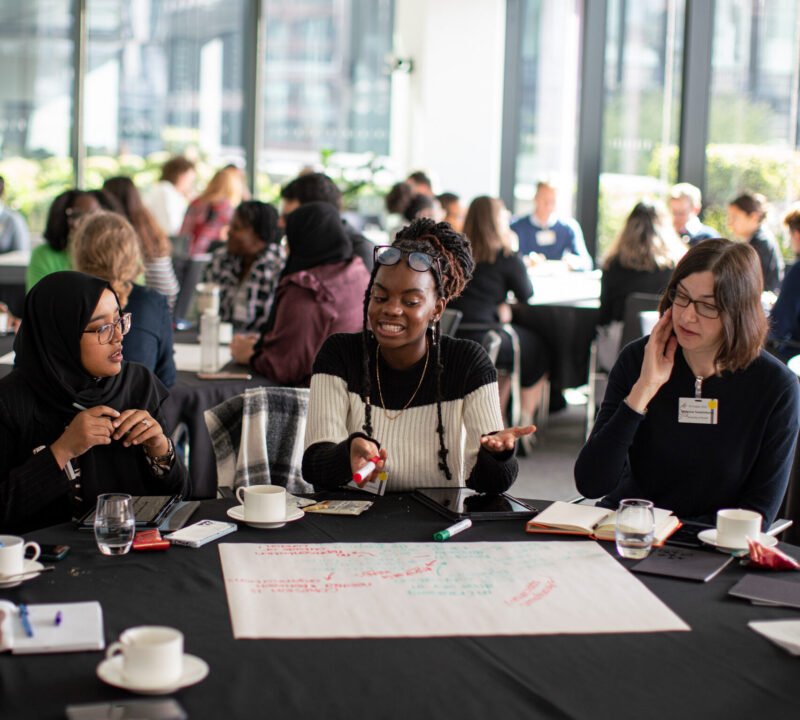
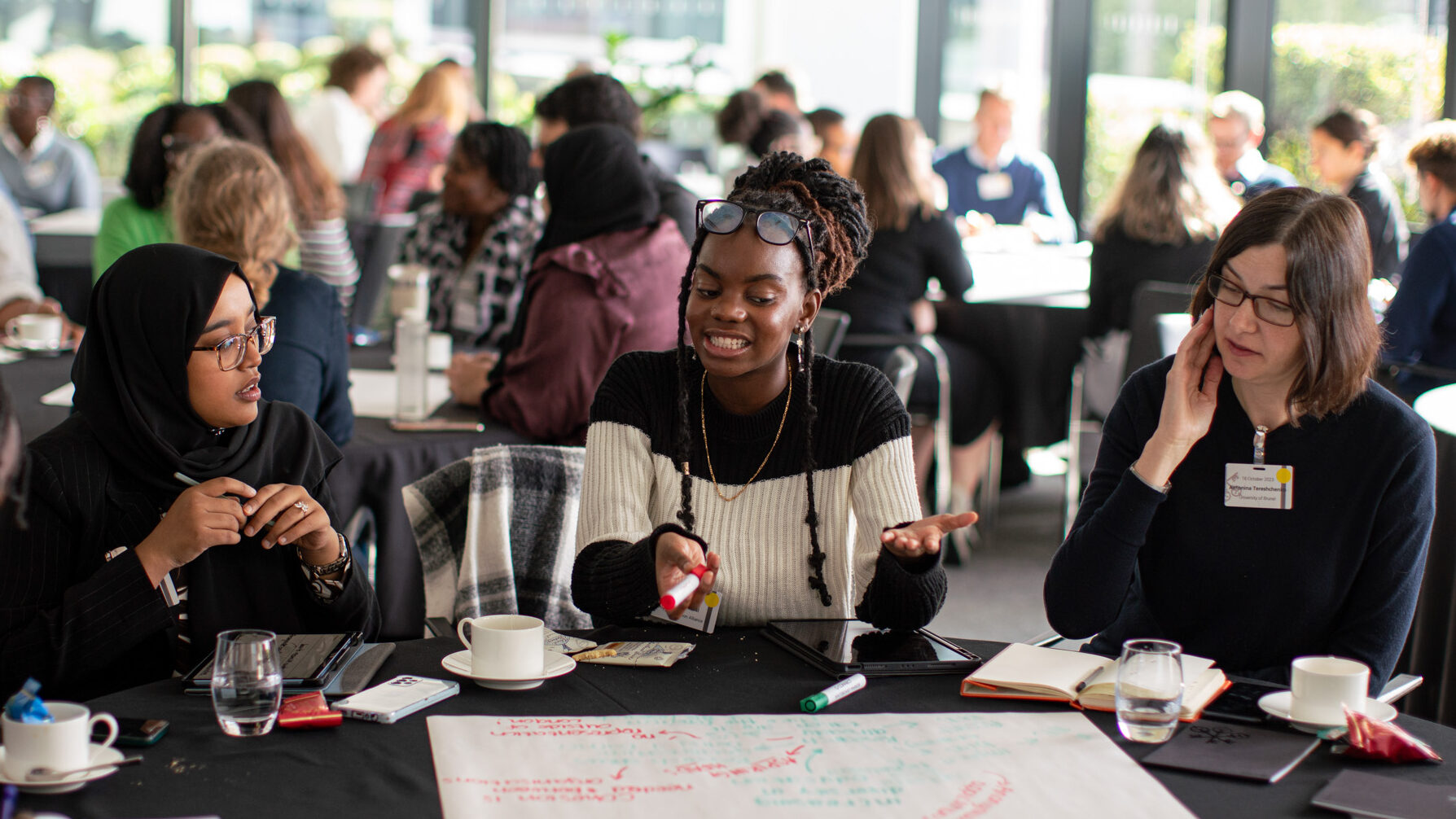
What gives us confidence going into Year Two is that this consortium isn't interested in antiracism as a label or a document. As we discussed openly with partners at a recent learning session, the real test isn't whether an organisation says the right thing, it's whether you can walk into it, meet its people, and feel the difference: in who gets recruited, who gets coached, who gets the training that actually changes practice. Getting there also means being honest about what it takes from the people leading this work, supporting leaders to hold antiracist values under real pressure, not just asking them to adopt a label and hoping they cope. That's the work we're committing to next: making this lived and tangible, not just well intentioned.
Read the full annual report on Year One of the Diversity in Education Fund here.
Aretha Banton and Youlande Biosah,
Cofounders, Mindful Equity UK