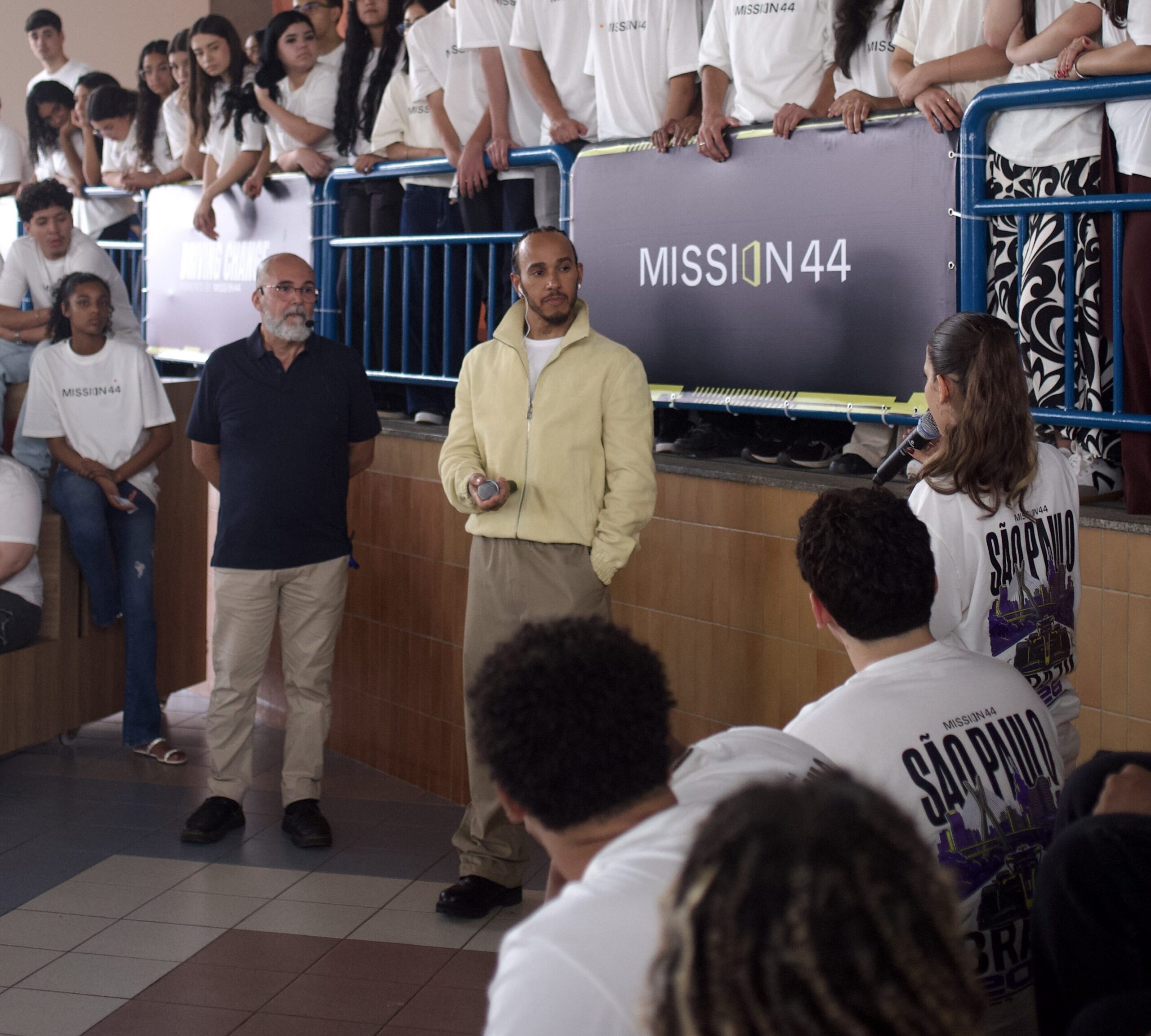

Cara Cinnamon, Mission 44’s Chief Impact Officer, responds to the latest suspensions and permanent exclusions data, covering the 2025/26 autumn term.
Today’s figures show some welcome progress, with suspensions and exclusions down 7% on the previous year, but too many children continue to lose out on learning. More than 312,000 suspensions were issued last autumn, and almost one in five suspended pupils missed more than a school week.
This small improvement in overall suspensions isn’t felt equally by all children. Pupils eligible for free school meals are still suspended at more than five times the rate of their peers. Gypsy, Roma and Traveller children continue to face the highest rates, and the North East continues to have the highest suspension and permanent exclusion rates in the country. The risk is also concentrated at key transition points. Suspension rates peak in Years 9 and 10, as the focus on GCSEs intensifies, and while overall secondary suspensions have fallen, they have actually risen in primary schools, particularly in Year 6. The core issues we highlighted in our Nothing Happens in Isolation campaign remain.
We know exclusion from school is both a predictor and a driver of poor life outcomes for the young people affected, including increasing their risk of becoming NEET. This week’s Milburn Review rightly calls for us to flip the narrative on disengagement, by recognising that young people aren’t failing but have themselves been failed, and ensuring that we call upon departments across government to improve fair access to opportunities in school and in careers.
Tackling this issue starts long before the point of suspension or exclusion, and we support calls to ensure students are supported by a named adult in school, who they can turn to for support, and who can coordinate how best to prevent those at risk from disengaging. Through Mission 44’s Preventing Exclusions Fund, we’ve also seen that belonging is a foundational driver of attainment and wellbeing, that trusted adult relationships can have a transformative impact, and that listening to families and pupils can help identify and remove barriers to engagement, before reaching crisis point.
Today’s statistics tell us how many children are excluded, their characteristics and the reasons schools record. They tell us very little about how children themselves experience school, what leads to disengagement, or what would help them feel supported and included. We have an opportunity to address this through the Pupil Engagement Framework which is in development, and could help ensure schools are actively listening and responding to pupils’ experiences of school.
Mission 44 will continue to work with policymakers, teachers and school leaders to build a more inclusive education system. For us, this means actively listening and responding to the experiences of young people, and ensuring they have access to a diverse range of role models and trusted adults that understand and respond to their needs.
Want to hear more about how Mission 44 is working to build a more inclusive education system where every young person can thrive? Sign up to our newsletter for the latest insights, stories and opportunities to get involved.