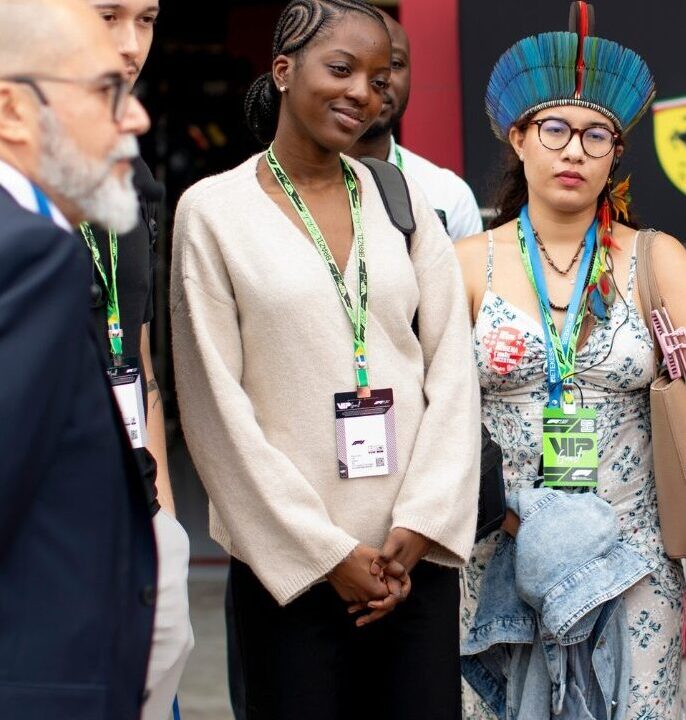
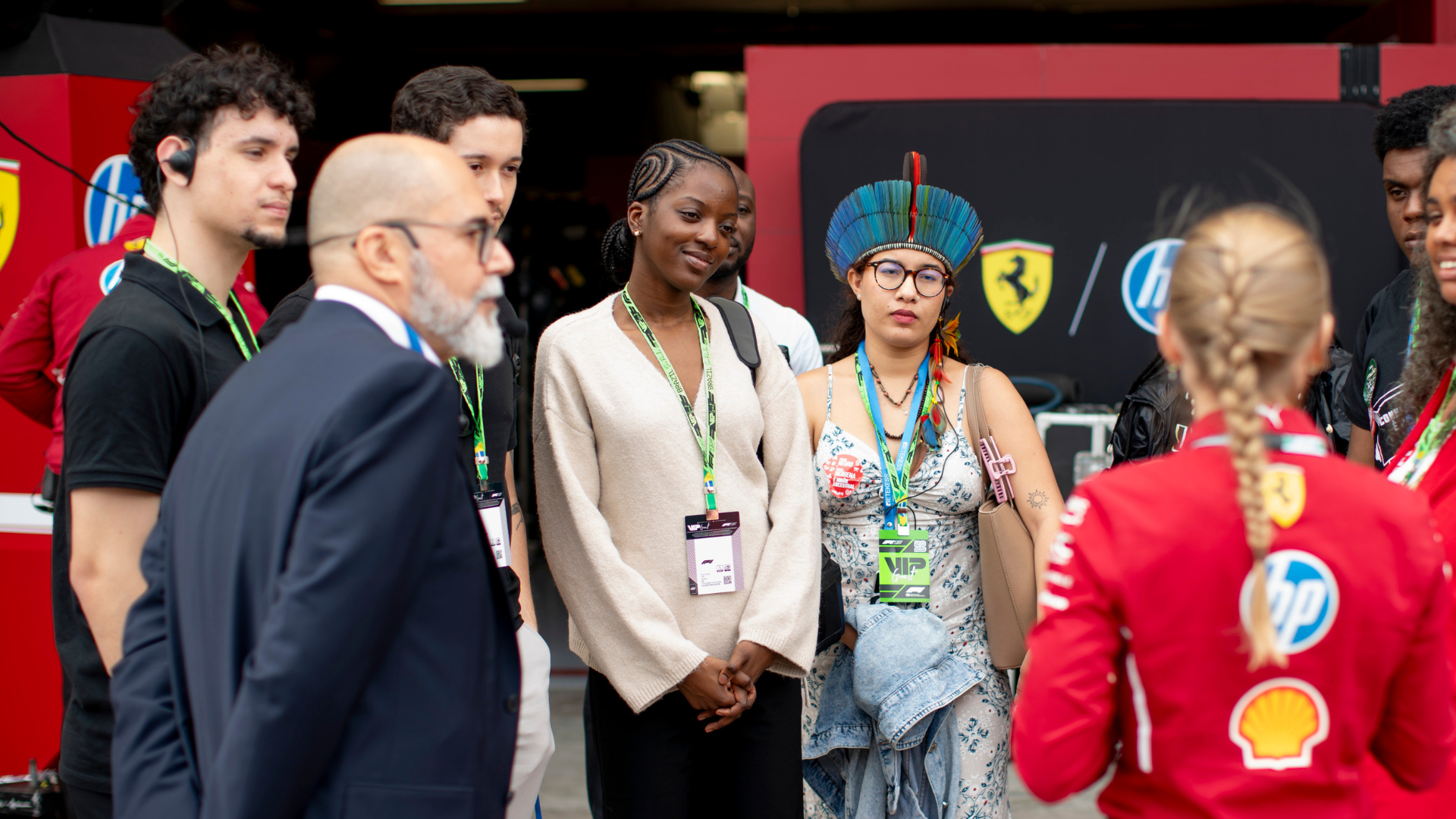
This November, I spent a week in São Paulo with Mission 44 colleagues, listening to the diverse communities that exist across Brazil to better understand how young people can access green STEM jobs. It was a week filled with partner visits, thought-provoking conversations, roundtables, and relationship-building.
The first thing that struck me was the passion radiating from young people in Brazil: there is a deep hunger for learning, and this fuels much of the advocacy across the country. Through meeting community leaders, young people, and public and private-sector organisations, I gained a clearer understanding of the barriers young Brazilians face in education and employment.
I particularly enjoyed speaking to young changemakers and students during our partner visits, which highlighted the need for young people to be included in decision-making spaces. Their lived experience, combined with their passion, enables more meaningful and effective change.
During our time in São Paulo, I visited two organisations Mission 44 partnered with in 2023: Uneafro Brasil and CEAP, both working to expand education and employment opportunities for young people facing disadvantage and discrimination.
Uneafro Brasil, rooted in Brazil’s diverse communities and with a strong history of youth activism, trains young leaders and supports underrepresented communities to build brighter futures.
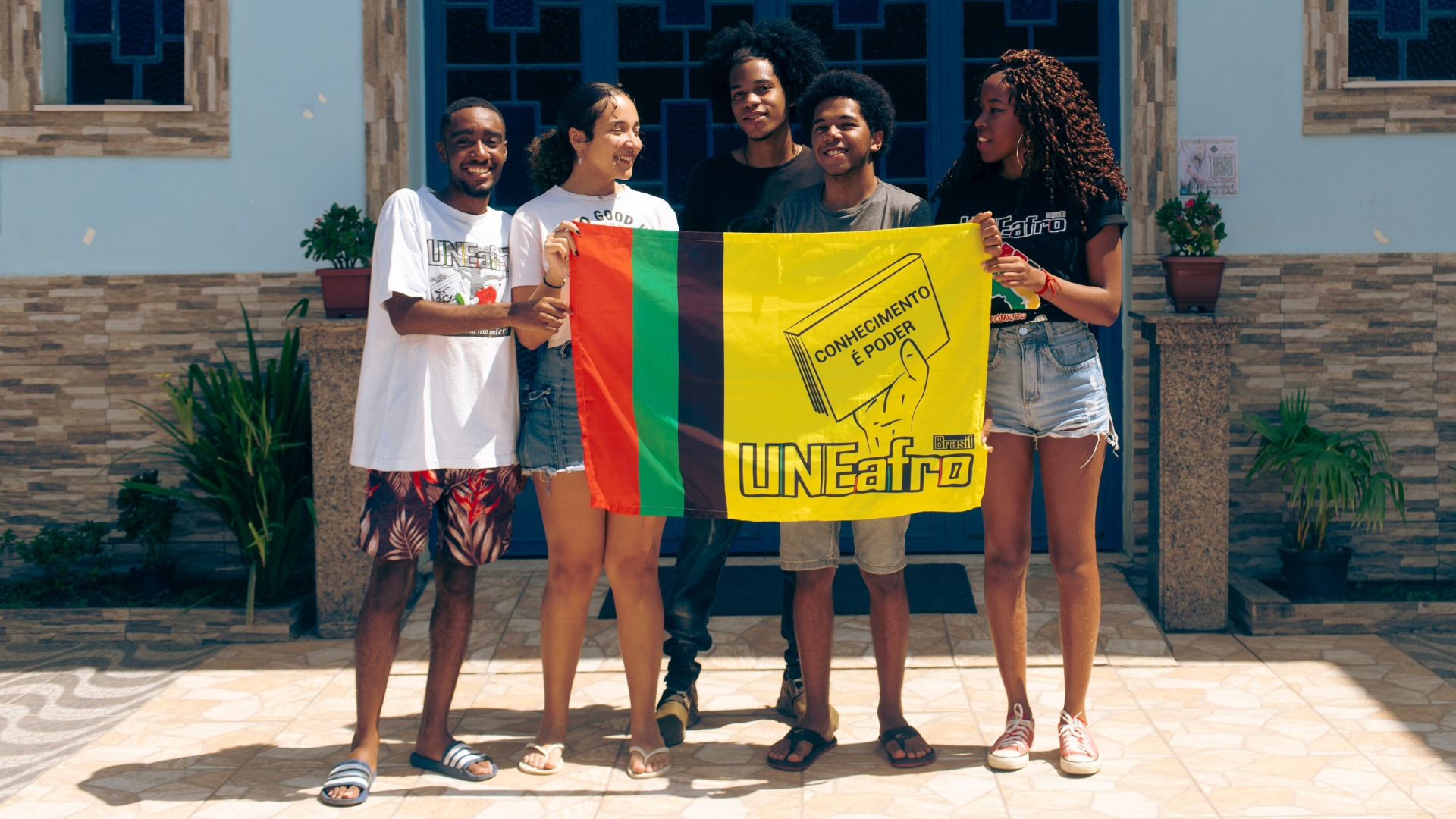
Speaking with their community leaders highlighted the serious challenges young people face, including violence, racism, gender inequality, and an education system that often fails them. Yet, after meeting some of their students and learning more about Uneafro’s work, I am more hopeful that we will see increasing numbers of young Brazilians accessing education and entering STEM-related careers.
CEAP, a non-profit technical school, offers a unique and safe environment for underrepresented young people from São Paulo to study subjects such as IT and robotics. This work is crucial to provide students with the skills they need to access future job markets.
However, many young people in Brazil still leave school early due to external factors such as poverty, crime, or community violence. Even those who finish can struggle to find work without strong links between schools and industry. Greater corporate and employer engagement with Brazilian schools is vital to unlock this talent and create stronger pathways into employment.
A highlight of my trip was joining the Mission 44 x We Are Family Foundation discussion, Bridging Generations, Building Sustainable Futures. The roundtable session explored barriers to accessing STEM jobs, highlighting the lack of infrastructure to support underrepresented young people, the importance of English-language teaching, and the need for locally tailored solutions in a country as large and diverse as Brazil.

Financial constraints, limited role models, and low representation in STEM emerged as recurring themes, reinforcing how vital visible success stories are for inspiring future generations.
Participants proposed expanding apprenticeships and technical courses, improving scholarships, and creating networking spaces with relatable role models. I was particularly encouraged by their focus on research and on tracking public initiatives to strengthen and scale what works. Although most Brazilians recognise the climate crisis, many are unsure how to access green jobs or benefit from growth in wind and solar technology.
These reflections were brought to life over the São Paulo Grand Prix weekend, where our Founder Lewis Hamilton met with young people that attended the roundtable to continue these discussions, leaving us all feeling more empowered and motivated to build sustainable futures.

As a global foundation, Mission 44 has a significant opportunity to help young people in Brazil access green STEM jobs. However, this trip highlighted that the wider issue lies within the education system itself; these systemic problems must be addressed alongside improvements in employment pathways.
Finally, after various conversations throughout the trip, it became clear that one of Mission 44’s “superpowers” is convening - creating spaces where young people, grassroots organisations, funders and policymakers can come together to discuss the barriers that young people face, and take collective action to overcome them.
For me, this trip reinforced the importance of youth voice being central in those spaces.
How can we continue to make change for young people with young people?
Bukunmi, 20
Mission 44, Youth Advisory Board