
JOIN OUR MISSION
Stay informed with partnership news, team updates, and stories from the young people driving social change.


In 2022, Mission 44 started working with CAPE, a grassroots tuition and mentoring charity. In this blog, Hussein Hussein, CEO & Founder of CAPE, shares his thoughts on our long-term partnership, and the future of trusted adult work.
Often when I’ve seen potential funding applications, they’ve felt like being handed resources and a clipboard. Here are the funds, here is how we need you to evidence your impact, and here is the report we’ll need from you when our partnership ends.
That is not what CAPE’s relationship with Mission 44 looks like, and honestly, that difference matters more than people might realise.
When Mission 44 came on board, what they gave us first was clarity: clear expectations, clear values, and a shared understanding of what we were trying to do. And then they stepped back and let us get on with it.
When things shifted, when the work evolved in ways none of us planned for, there was room to adapt. No penalties, no panic, no need to justify ourselves as if we’d done something wrong. That kind of trust is rarer than it should be, and it is exactly what organisations like CAPE need to do this work properly.
I want to say that plainly, because the funding landscape is not equal. Grants and opportunities have historically gone to organisations that look a certain way: sleek websites, polished documents, the right connections.
The people actually on the ground, doing the work every day, often don’t have the time or the resources to dress it up. That does not mean the work is less valuable. It usually means the opposite. Mission 44 understood that and backed us anyway, and that is not something we take lightly.
Now, the work itself.
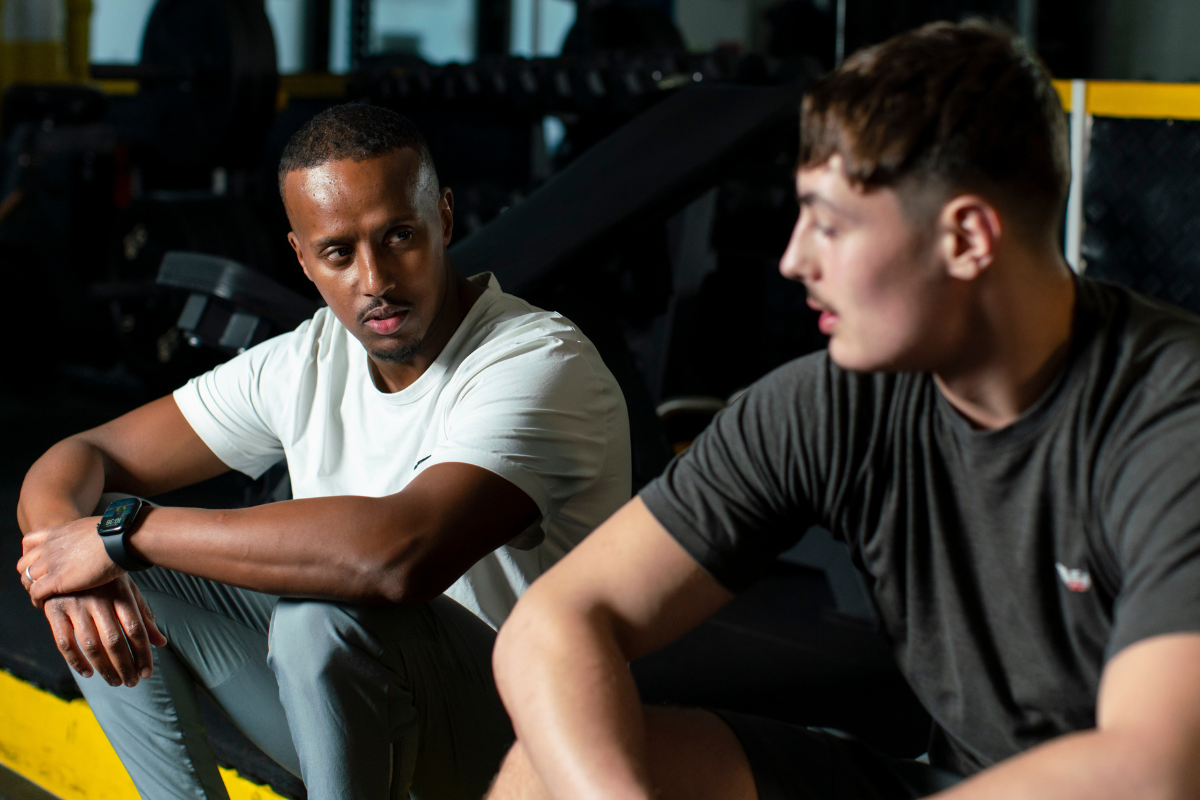
At CAPE, we do not have a programme. What we have is a way of working. If a young person is not in school, we deliver teaching with them in their local community, whether that is at home, in a café, or in a library.
For those too far removed from education to even think about learning yet, or for those who are still in school but at risk of falling out, we deliver mentoring.
That mentoring is built around getting to know them: finding out what they actually want to do, what is happening in their area, and what they are interested in. We go and do those things with them.
And in the middle of all of that, real relationships form. We end up supporting young people with things we never could have predicted at the start. That is not a gap in our model. That is the whole point.
This is what we mean when we talk about trusted adult work being child-led and not time-bound. A young person’s life does not pause between nine and five. Crisis does not book a slot.
If we want young people to actually trust us, then our access to them cannot be clinical or restricted. All of our staff are trained as Designated Safeguarding Leads, not because it is a box to tick, but because when you build the kind of relationships we build, disclosures happen. Young people tell you things.
You need to know how to hold that properly, how to keep healthy boundaries while maintaining the relationship, and how to work effectively with other professionals when a child needs protecting. High expectations and genuine care are not in conflict. They go together.
Trusted adult work is getting more attention in education policy right now, and I think that is important. But I also think we need to be honest about what tends to happen next.
When an idea gets a moment in policy, the organisations with the biggest budgets and the best branding end up defining what it looks like. Senior staff get hired to design frameworks. Glossy toolkits get produced.
A model gets commissioned and rolled out everywhere, staffed by underpaid workers who are sent out to deliver something that was designed in a boardroom nowhere near the young people it is meant to reach.
And it is worth naming who those underpaid workers usually are. More often than not, they are people who actually reflect the communities being served, in terms of race, class, and lived experience, while the senior staff, who are better paid and shaping the work from a distance, do not.
At CAPE, everyone is salaried and paid above the average for this sector, because you cannot ask people to do transformative work on wages that do not reflect the cost of living in today’s society and expect it to land.
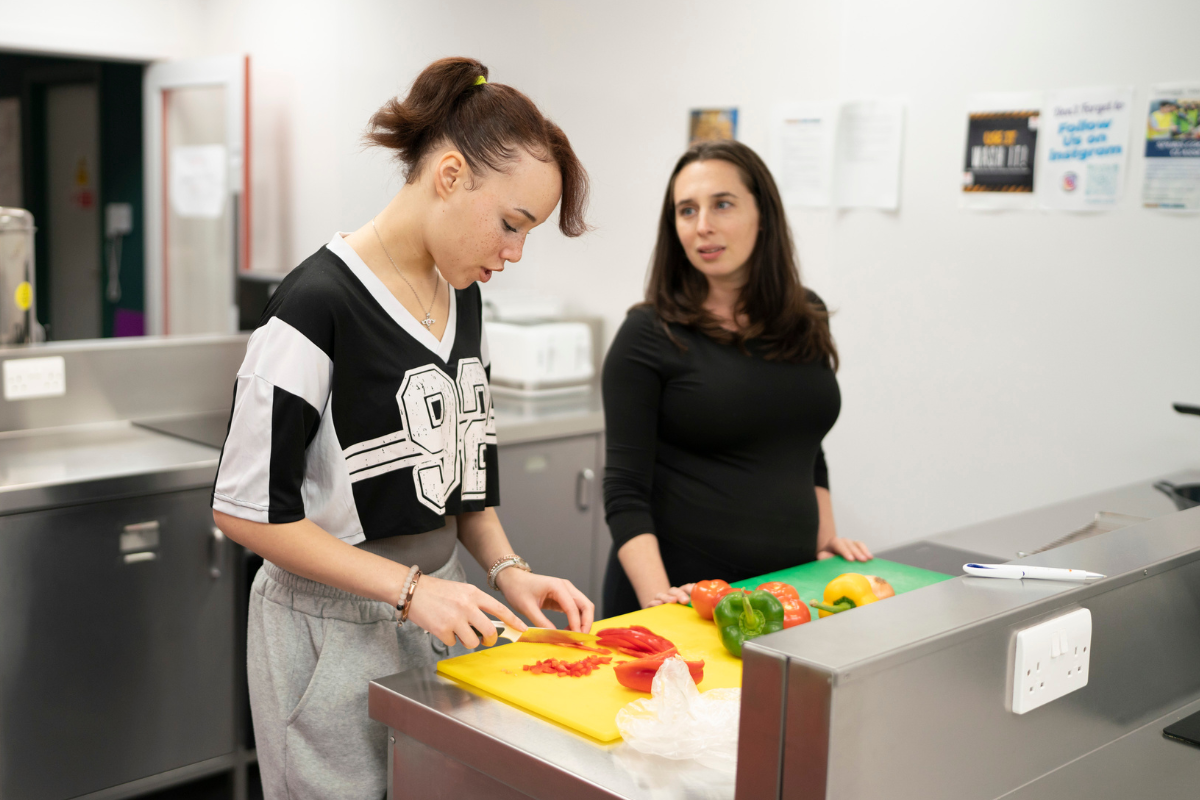
I believe the answer to doing trusted adult work well is not one big organisation with all the answers. It is lots of smaller, specialist organisations, each with deep roots in their own community, their own demographic, and their own area.
Organisations that know their young people because they come from the same place, speak the same language, and understand the same pressures.
That is what genuine impact looks like. Not a one-size-fits-all model. A movement of people who actually know the kids they are working with, backed by funders who trust them enough to let them get on with it.
Hussein Hussein,
CEO & Founder, CAPE

USA

Outside of the USA